


Slots, Poker, and the Real Math Behind iGaming Wins
Every gambler remembers their first big win. Mine came on a three-reel slot machine in a smoky corner of a Reno casino, and I was convinced I had cracked s
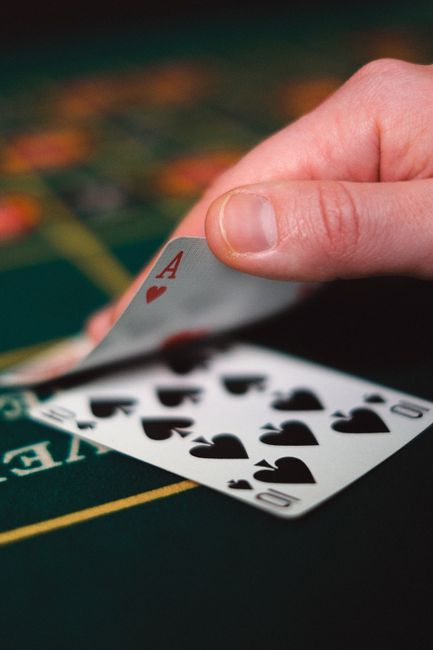
Every gambler remembers their first big win. Mine came on a three-reel slot machine in a smoky corner of a Reno casino, and I was convinced I had cracked some cosmic code. Twenty years and thousands of hands later, I can tell you the truth: there is no code. There is only math, variance, and the psychology you bring to the table. Understanding how those three forces interact is the difference between an entertaining hobby and a slow bleed of your bankroll.
This isn't a lecture on why you should quit. It's a practical grounding in how online casino games, sports betting, and poker actually work under the hood, so you can make sharper decisions at 2 a.m. when the adrenaline is talking louder than your brain.
The House Edge Is Not a Footnote
Every casino game carries a built-in advantage for the operator called the house edge. This isn't a scam; it's the business model. The edge varies wildly between games, and knowing it is the single most useful piece of knowledge a player can carry.
- Blackjack (basic strategy): roughly 0.5% to 1% house edge, making it the best-value table game for disciplined players.
- Baccarat (banker bet): about 1.06%, which is why high rollers love it.
- European roulette: 2.7% thanks to a single zero.
- American roulette: 5.26% because of that sneaky double zero.
- Slots: typically 2% to 10% in bricks-and-mortar venues, but online slots often sit between 2% and 5% with high-RTP titles reaching 96%+ or even 98% on some jackpot-free releases.
- Keno and scratch cards: often 25% to 35%, a brutal edge for a casual thrill.
Run the numbers and a pattern emerges fast. The same $200 bankroll distributed across blackjack sessions will, on average, last far longer than the same $200 fed into keno tickets. The edge compounds, and it compounds against you.
RTP, Volatility, and the Word Players Confuse Most
Return to player (RTP) is a measure of what a slot pays back over millions of spins. A 96% RTP game theoretically returns $96 for every $100 wagered. That does not mean you'll lose exactly $4 in a session. In the short term, results are dominated by volatility.
Low-volatility slots drip out frequent, small wins. High-volatility titles like Book of Dead or Money Train 3 can go 200 spins without a single meaningful payout, then explode with a 2,000x hit. Both game types can offer identical RTP, but they deliver radically different experiences. If you want to dig deeper, keonhacaii5.com.co is worth a look.
Why Volatility Should Drive Your Bankroll, Not Your Mood
If you own a $50 bankroll and want an hour of entertainment, high-volatility slots will likely eat you in ten minutes. A low-volatility title with 0.10 spins gives you hundreds of chances to catch a bonus round. Conversely, if you're chasing a 500x win and don't mind busting fast, high volatility is the intended tool. The mistake is matching your mood to the machine rather than your bankroll to the variant.
Sports Betting: The Closing Line Is the Truth
Casino games are pure probability. Sports betting adds information asymmetry, and the sharpest way to measure your skill is to compare your bet's odds with the closing line. Professional bettors rarely care about winning percentage alone. They care about closing line value (CLV).
If you bet the Kansas City Chiefs at -3 on Tuesday and the line closes at -6 on Sunday, you extracted value regardless of the final score. Over 500 bets, positive CLV almost always translates to profit because the closing line reflects the market's most efficient estimate of true probability.
- Shop at three or more sportsbooks; line differences of half a point decide long-term profitability.
- Track every bet in a spreadsheet with odds taken, closing odds, and stake.
- Ignore parlays unless you specifically want lottery-style variance; correlated parlays are where books make their margin.
- Specialize in one or two leagues you actually watch closely. Sharp information beats broad mediocrity.
The vig, usually around 4% to 5% on a standard two-way market, is your true opponent. Beat it consistently and you're in rare company. Most recreational bettors never will, and that's fine as long as they treat it as entertainment spend, not investment capital.
Poker: The Only Casino Game Where Skill Beats the House
Poker is different because you aren't playing the house; you're playing other people, and the house just takes a rake. That rake is brutal at low stakes, often 5% capped at $3 or more per pot, which means the table has to beat the rake before anyone actually profits. Still, unlike slots, a skilled player can maintain a positive expectation over thousands of hands.
The modern online poker landscape has shifted dramatically. Solvers and GTO (game-theory optimal) tools have raised the floor of competence. Micro-stakes tables are tougher than $2/$5 live games were a decade ago. If you're starting out, focus on exploitative play against weaker opponents rather than memorizing solver outputs.
- Bankroll management is non-negotiable: 20 buy-ins for cash games, 50 to 100 for tournaments.
- Track your win rate in big blinds per 100 hands (bb/100). Anything above 5bb/100 at micro stakes is excellent.
- Study as much as you play. A 2:1 study-to-play ratio is common among winning regs.
- Avoid tilt like it's a disease, because emotionally, it is.
Bonuses, Free Spins, and the Wagering Trap
Online casinos dangle welcome bonuses with wagering requirements of 30x, 40x, or even 60x. Read the fine print and the real value becomes obvious. A $100 bonus with 40x wagering and a max cashout of $500 requires $4,000 in bets before you can withdraw a cent. If the game contributes only 10% to wagering (common for blackjack), you'd need to wager $40,000.
Bonuses aren't inherently bad. They can extend your playtime and give you extra shots at a big hit. But they are marketing instruments designed to make you play longer than you planned. The best rule I've adopted: only accept a bonus if you'd happily deposit and play the same amount without it.
Free spins offers are usually even tighter. They frequently pay out as bonus credits, carry 50x wagering, and cap withdrawals at tiny amounts. Calculate the expected value before you claim. If it's negative and the game is boring, skip it.
The Only Strategy That Actually Matters
After all the talk of RTP, CLV, and bb/100, the truth is boring and powerful: game selection, bankroll discipline, and emotional control outperform any "system" sold online. Roulette strategies like Martingale collapse under table limits. Slot "patterns" are apophenia. Sports betting locks and guaranteed picks are marketing.
The players who last decades share a few habits. They set a monthly loss limit they can genuinely afford. They pick games with a manageable house edge. They stop when they hit a pre-set win target and walk away when they hit the loss limit. They treat iGaming as a paid hobby, not a side hustle.
If you take nothing else from this, take this: the house always has the math. Your job is to rent entertainment at the lowest possible price, and occasionally, when variance smiles, cash out and enjoy the story. That Reno slot machine taught me something after all — not a secret code, but a lesson in restraint that took years to learn.


Post a comment